Akademia Sztuk Pięknych w Gdańsku
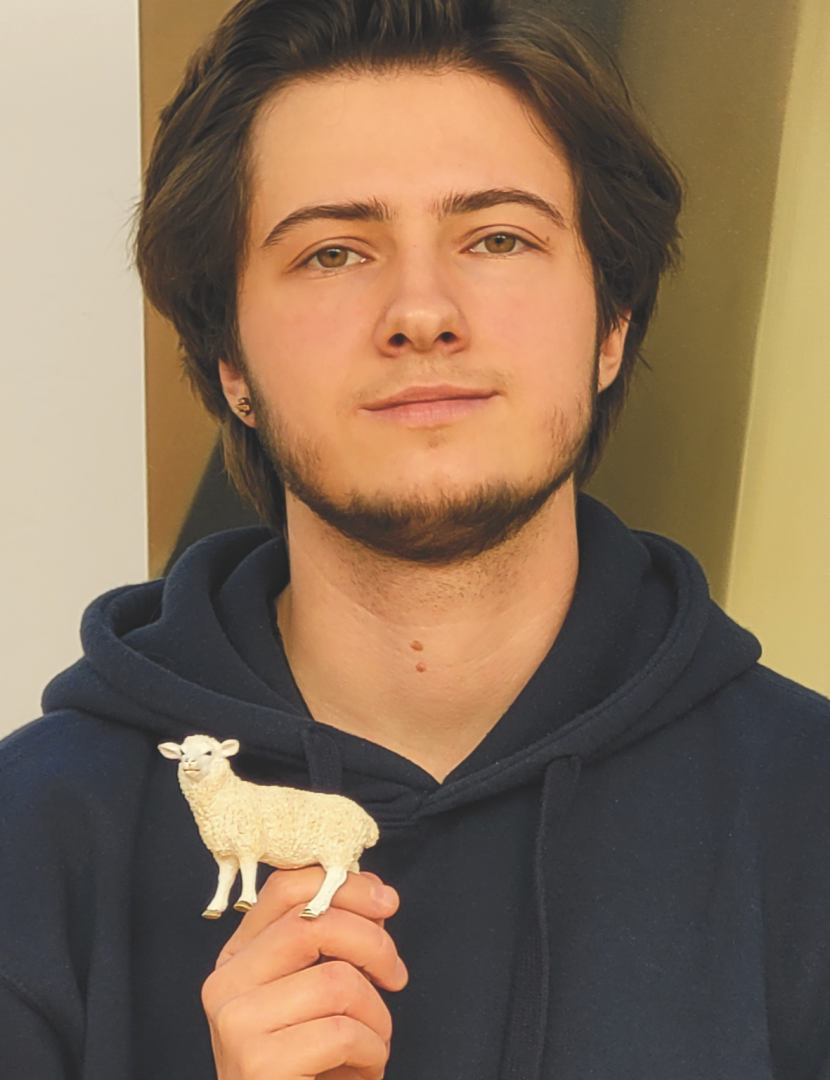
Autor: Antoni Walas
Akademia Sztuk Pięknych w Gdańsku

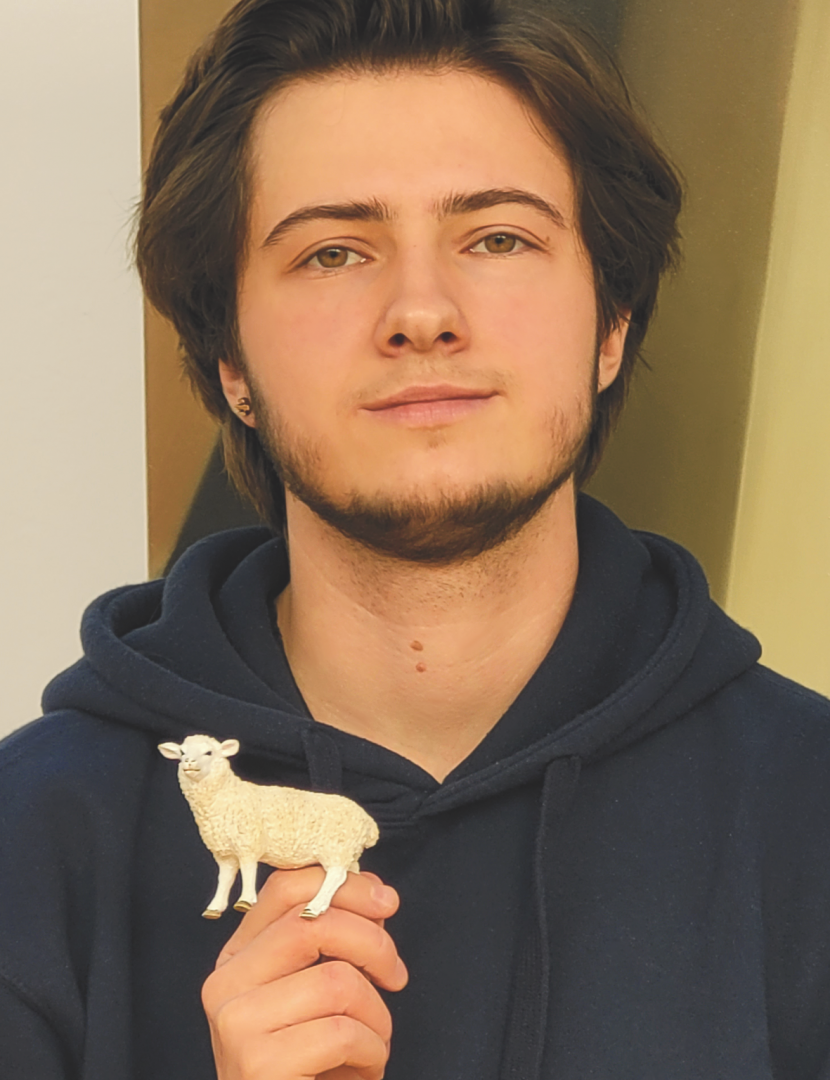
Antoni Walas
Kierunek studiów: Malarswo
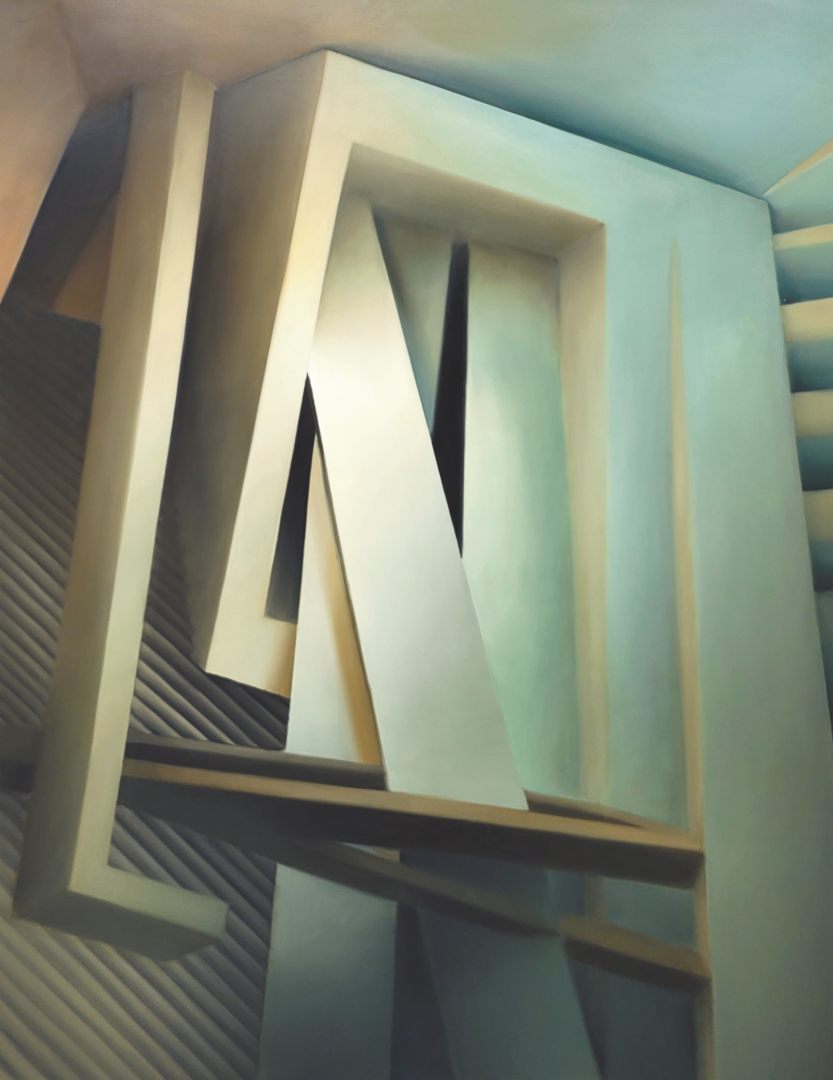
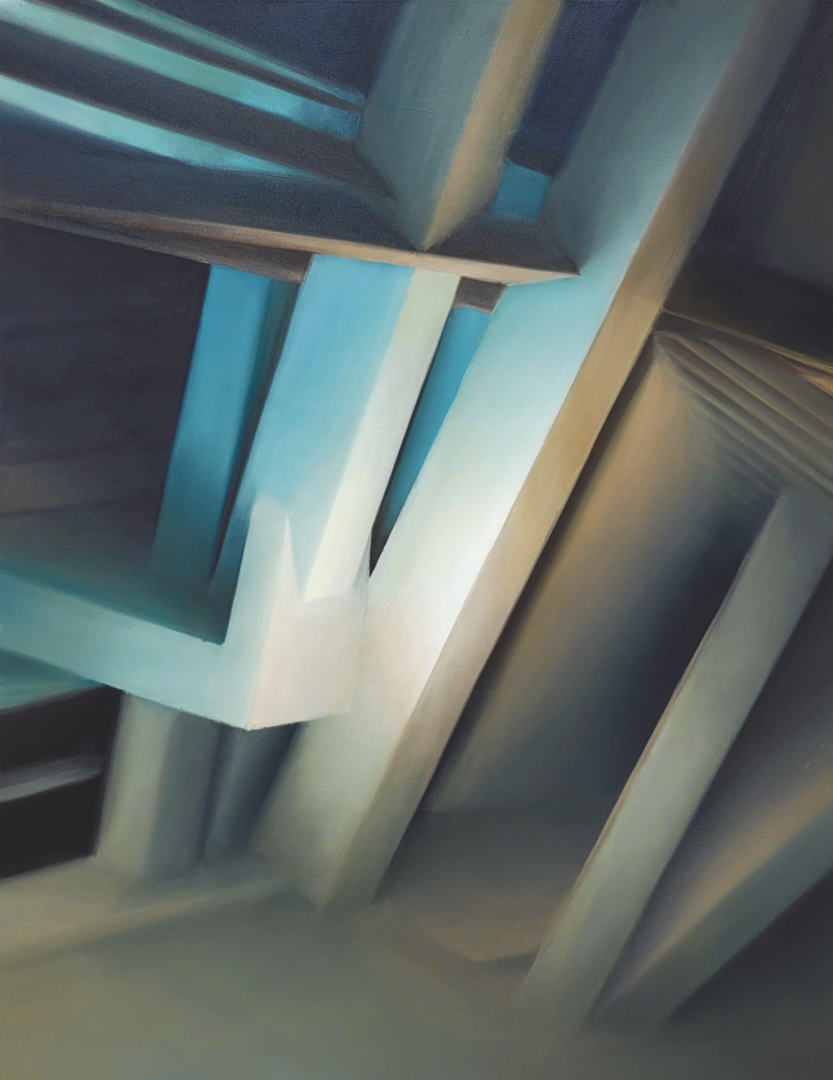
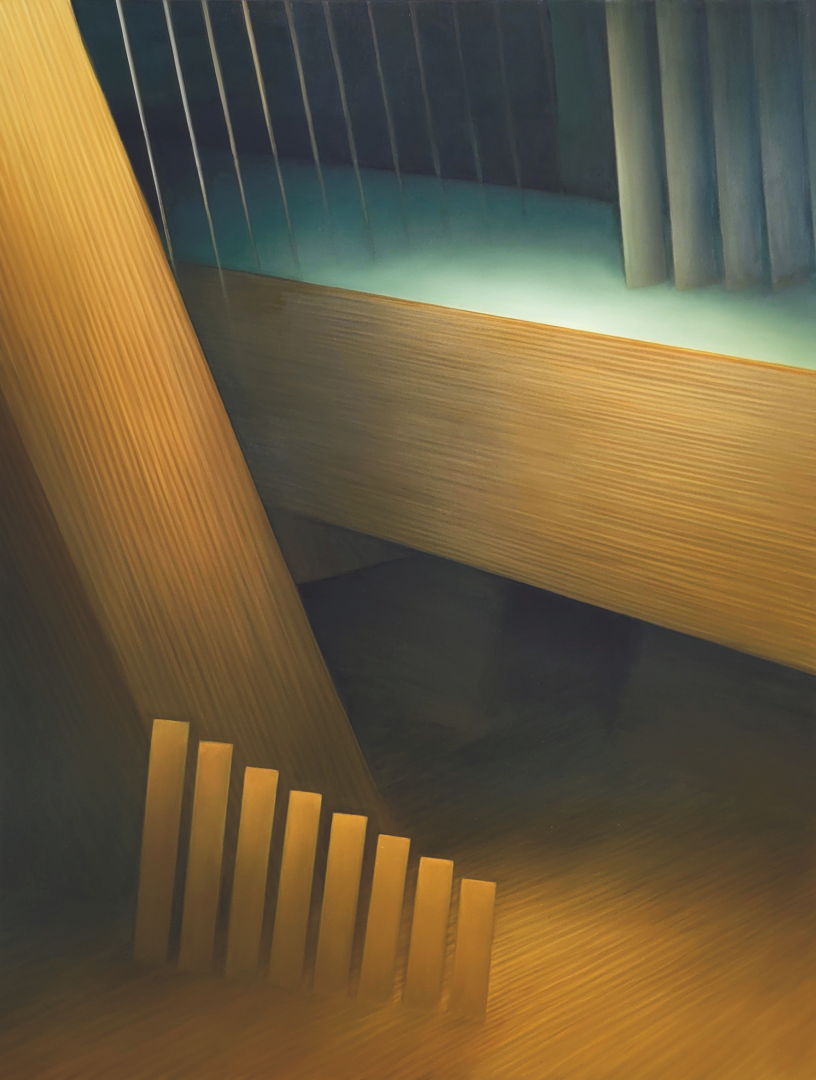
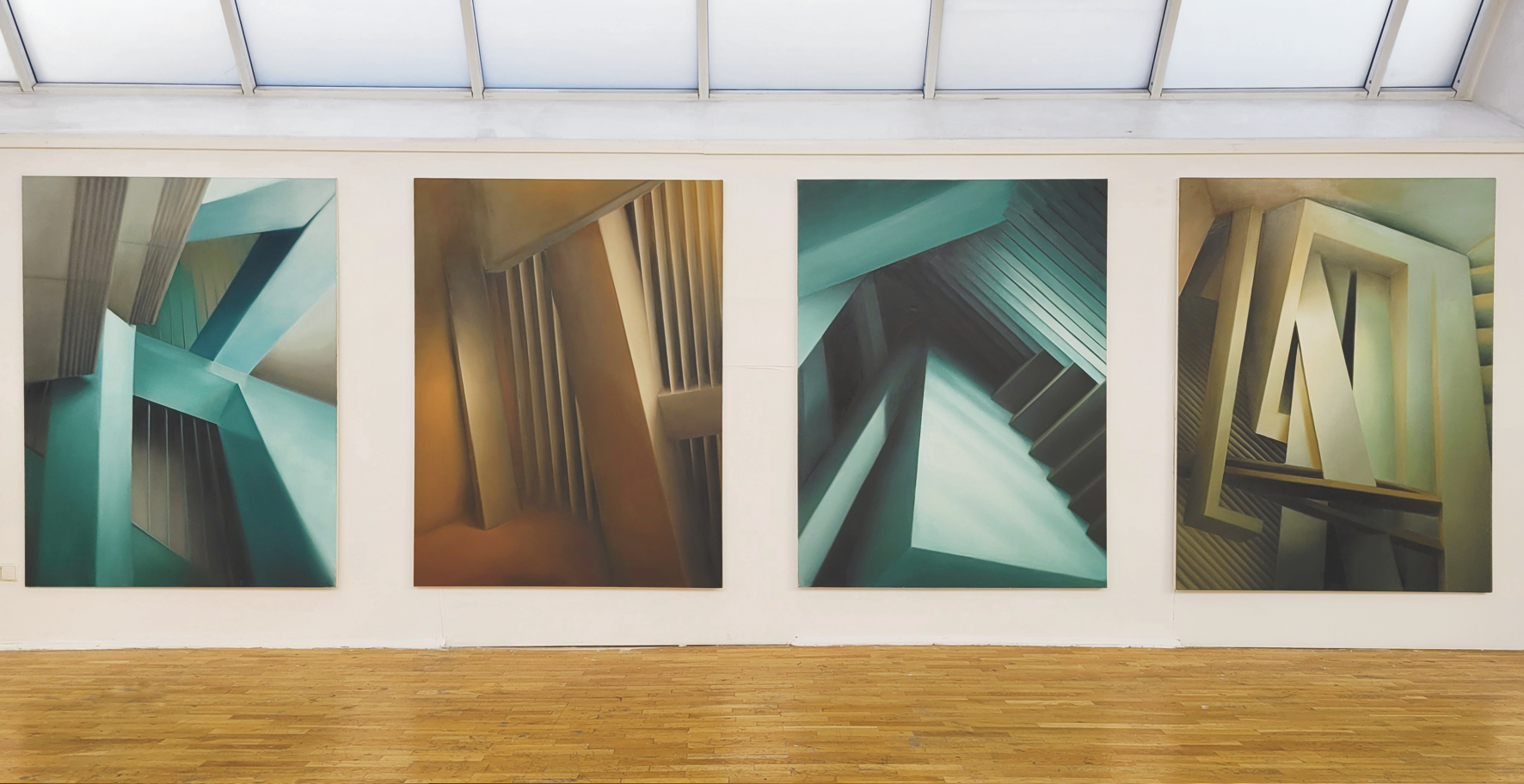
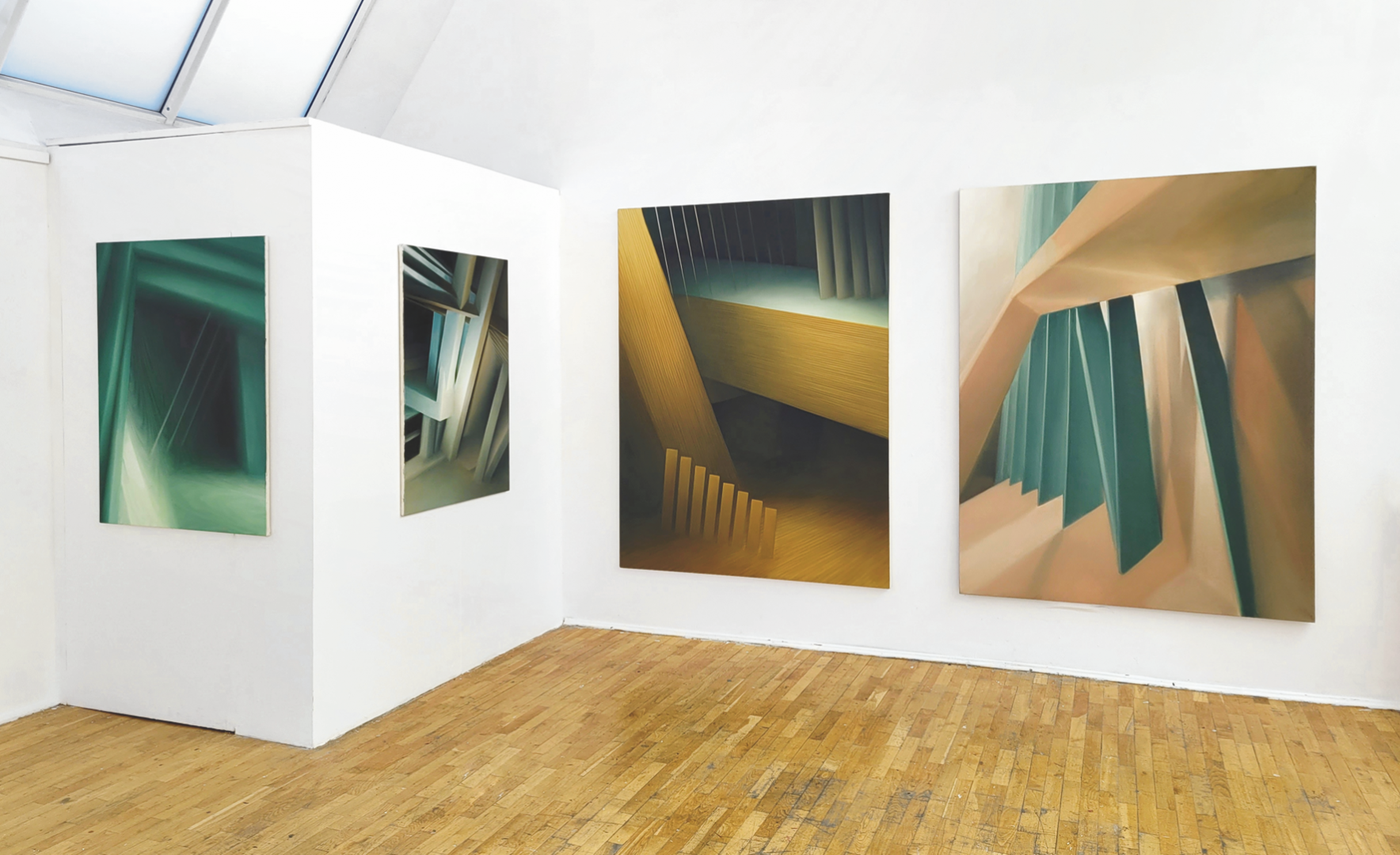
Tytuł pracy: „Walki Młodych 1/13”
Promotor: prof. Krzysztof Gliszczyński
(ur. 1999, Ustka). Ukończył Liceum Plastyczne im. Stanisława Ignacego Witkiewicza w Słupsku oraz Akademię Sztuk Pięknych w Gdańsku w pracowni prof. Krzysztofa Gliszczyńskiego. W swojej sztuce lubi balansować na granicy figuratywności i abstrakcji, przy jednoczesnym dążeniu do maksymalnej precyzji formalnej. Rzeczą, która nieustannie go fascynuje, to napięcia prostych form wewnątrz obrazu, ograniczona paleta barwna oraz światło. Dużą inspiracją jest dla niego fotografia i muzyka, którymi również się zajmuję.
(born 1999, Ustka). Graduate of the Stanisław Ignacy Witkiewicz High School of Arts in Słupsk and the Academy of Fine Arts in Gdańsk, where he completed his education in the studio of Professor Krzysztof Gliszczyński. In his artistic practice, he explores the boundary between figuration and abstraction, with a strong emphasis on formal precision. He is particularly drawn to the tensions within simple compositional forms, the use of a restrained colour palette, and the role of light. He is deeply informed by photography and music, both of which he also actively engages with.
Walki Młodych 1/13
Punktem wyjścia dla obrazów była klatka schodowa, prowadząca do tytułowego adresu, pod którym się wychowałem. Jej elementy zostały zastąpione reprezentacjami, co symbolizuje wypieranie pierwotnych wspomnień deformacjami. Ten naturalny proces może częściowo tłumaczyć różnice w postrzeganiu przeszłości oraz otoczenia zarówno na poziomie jednostkowym, jak i pokoleniowym. W centrum moich zainteresowań znajduje się nostalgia, stosunek pokoleń urodzonych po 89’ do PRL-u, oraz miejsce architektury modernistycznej w świadomości kulturowej. Każda indywidualna perspektywa stanowi odrębny nośnik prawdy.
The starting point for the composition was a staircase leading to the title address where I grew up. Its structural elements have been replaced by representations, symbolizing the process through which original memories are gradually supplanted by their altered versions. This natural process partly explains the differences in how the past and surroundings are perceived by individuals and across generations. The work reflects on themes of nostalgia, the relationship of post-89’ generations to PRL, and the continued presence of modernist architecture in the collective consciousness. Each personal perspective becomes a vessel for a particular truth.