Akademia Sztuk Pięknych we Wrocławiu
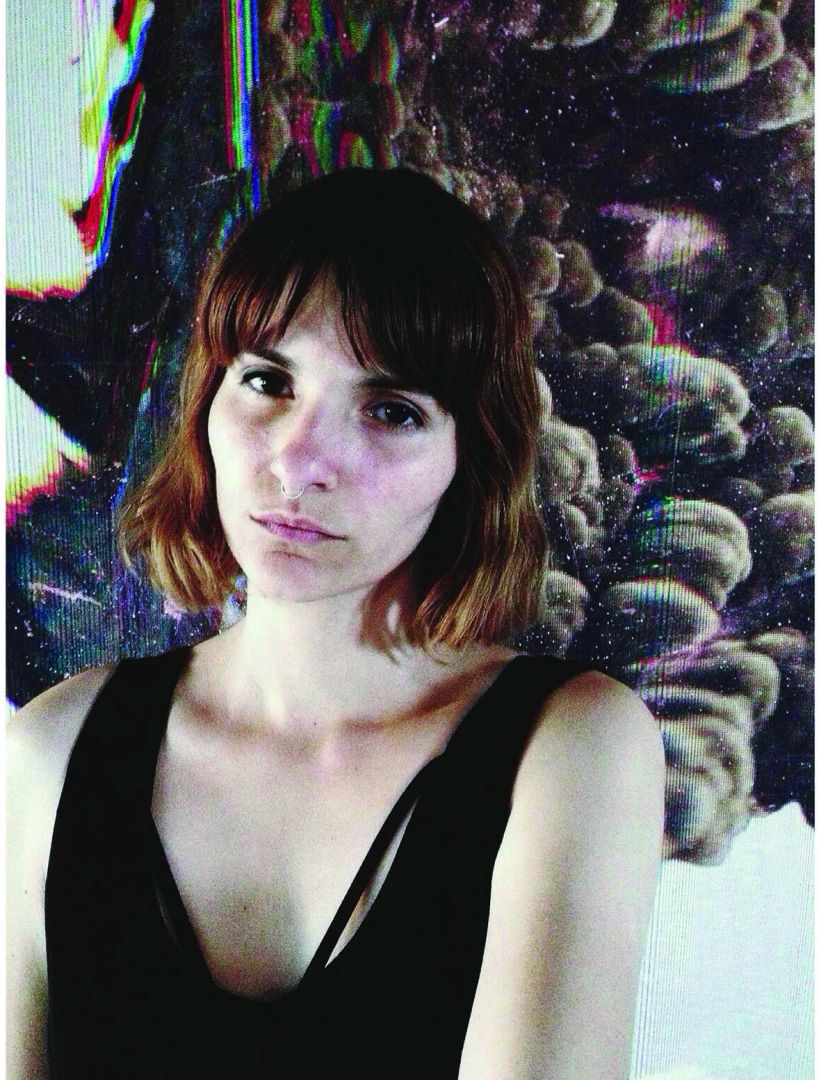
Autor: Andreea Anghel
Akademia Sztuk Pięknych we Wrocławiu
Andreea Anghel Kierunek studiów: grafika, specjalność grafika artystyczna w języku angielskim Temat pracy: "Certej (is) Mine" Promotorki: dr hab. Alicja Janik, dr Magdalena Hlawacz
„In order to understand ‘Certej’, it is necessary to present a short history of [current] events. At the end of 2013, Romanians took Romanians by surprise by protesting en-masse against a mining project set to take place at Rosia Montana, involving the use of cyanide to extract gold, wiping a whole mountain out in the process. There are a few key elements to consider here: the fact that the Government was willing to change longstanding laws to aid corporations (a change to the environmental law and one that permits a company to take the land from you by any means necessary should they suspect that there are valuable minerals present underground) and that people are repeating history in their favour this time around. Such protests only took place 13 years prior and they were called ‘mineriade’, a term coined by Romanians to specifically name the brutal repression of anti-political protests carried out by miners against students and intellectuals and, well, anybody who was ‘lucky’ enough to be in their way while they were executing orders given by then-President Ion Iliescu (an ex-Communist himself).
Miners in Romania have a tradition of not having it easy. Even though the country has been a major exporter of minerals and oil for the last few centuries, once these were in the hands of the Communist Party, the rules changed and everything was under constant supervision.
The Certej mining disaster happened at 4.55 AM , October 30th 1971, when a tailings dam ruptured after years of uncontrolled spilling of cyanide compounds used at the neighbouring mine, wiping out everything in it’s way, including the small mining village. This led to 89 people dying, according to the Party, although true numbers go even as high as 221 (officially, after trying as much as possible to cover what is widely seen today as the biggest ecological disaster in modern Romanian history, the number was 48, just short of enough dead to declare it as a national day of mourning, so that production would not have to stop).
When the Rosia Montana situation started making headlines, the story of Certej was unearthed. Archive photos show tamperings with the original negatives and the numbers don’t add up. The fact of the matter is that, due to the Party’s neglect and lack of insight, miners and their families were reduced to mere naked bodies washed up several miles from their beds at night.
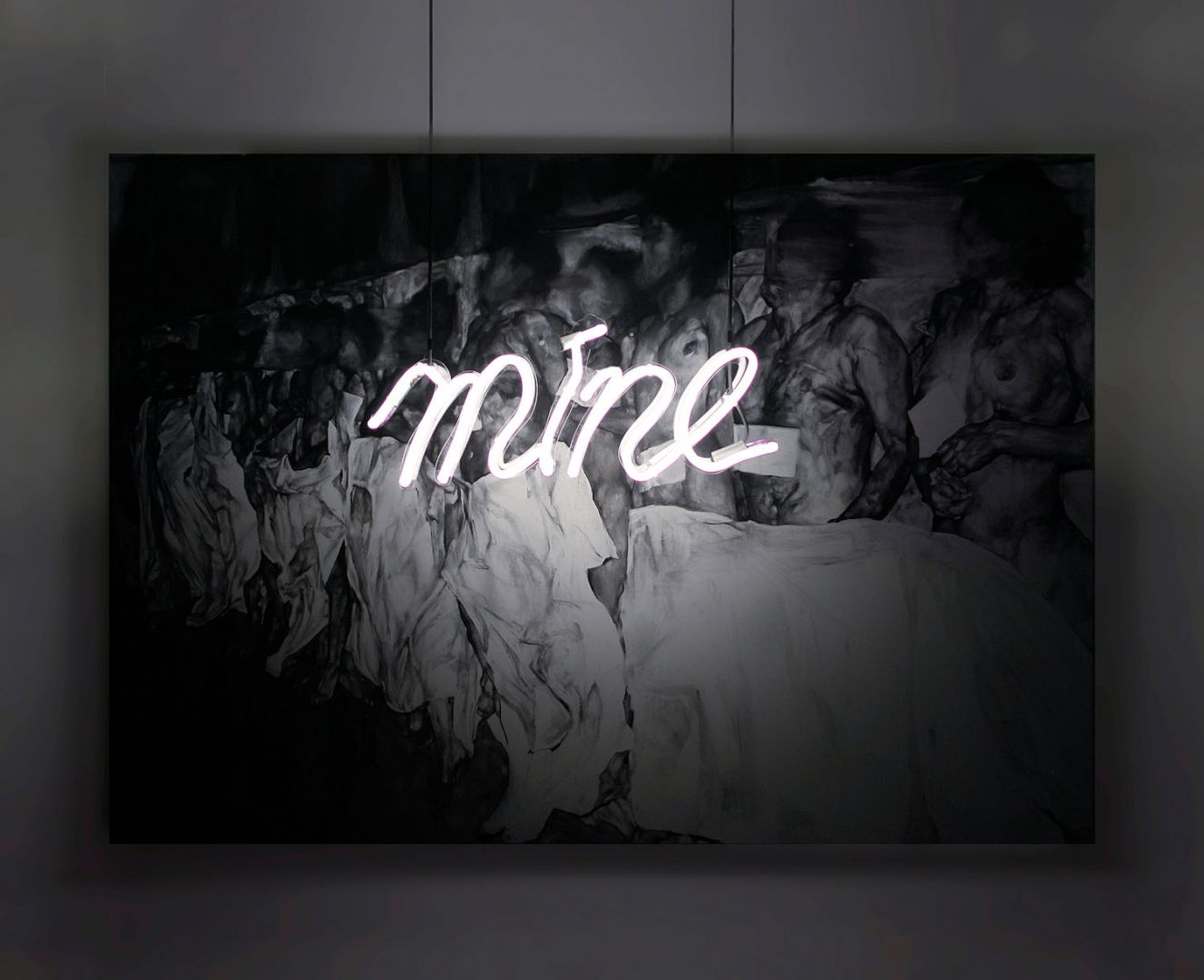
‘Mine’ is a key word here, with its dual meaning: something that belongs to me and the action of digging into the land. In Romanian, it’s meaning is similar: ‘mine’ is a very intimate way of saying ‘me’, while defining mines as well.
Our land is part of us. You cannot take a land that is mine (even though, in all earnest, you probably will).
Certej does not want to be a project about Communism. Capitalism today values life in the same lesser way as during the ‘80s, and current plans to resuscitate production at the mine, albeit illegally so, reinforce this. Nor does it wish to exploit a complicated and sensitive subject simply for the sake of art. Rather, Certej aims to prove a feeling of fatality as a single organism faced with millions of others.
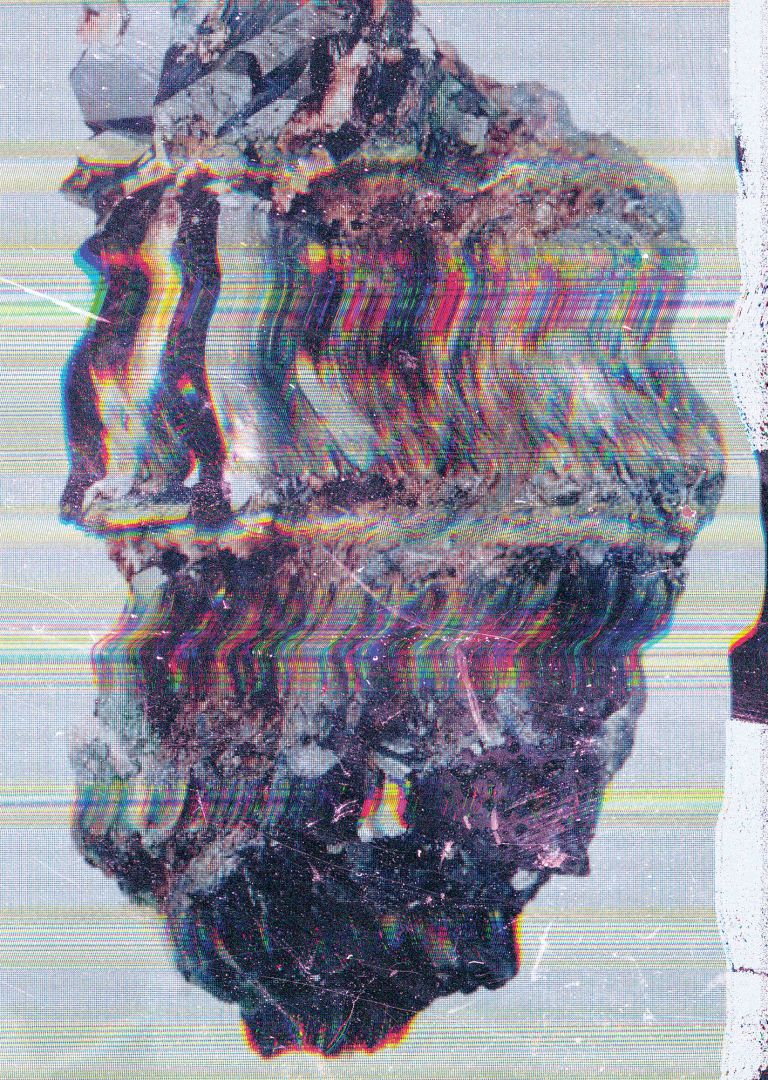
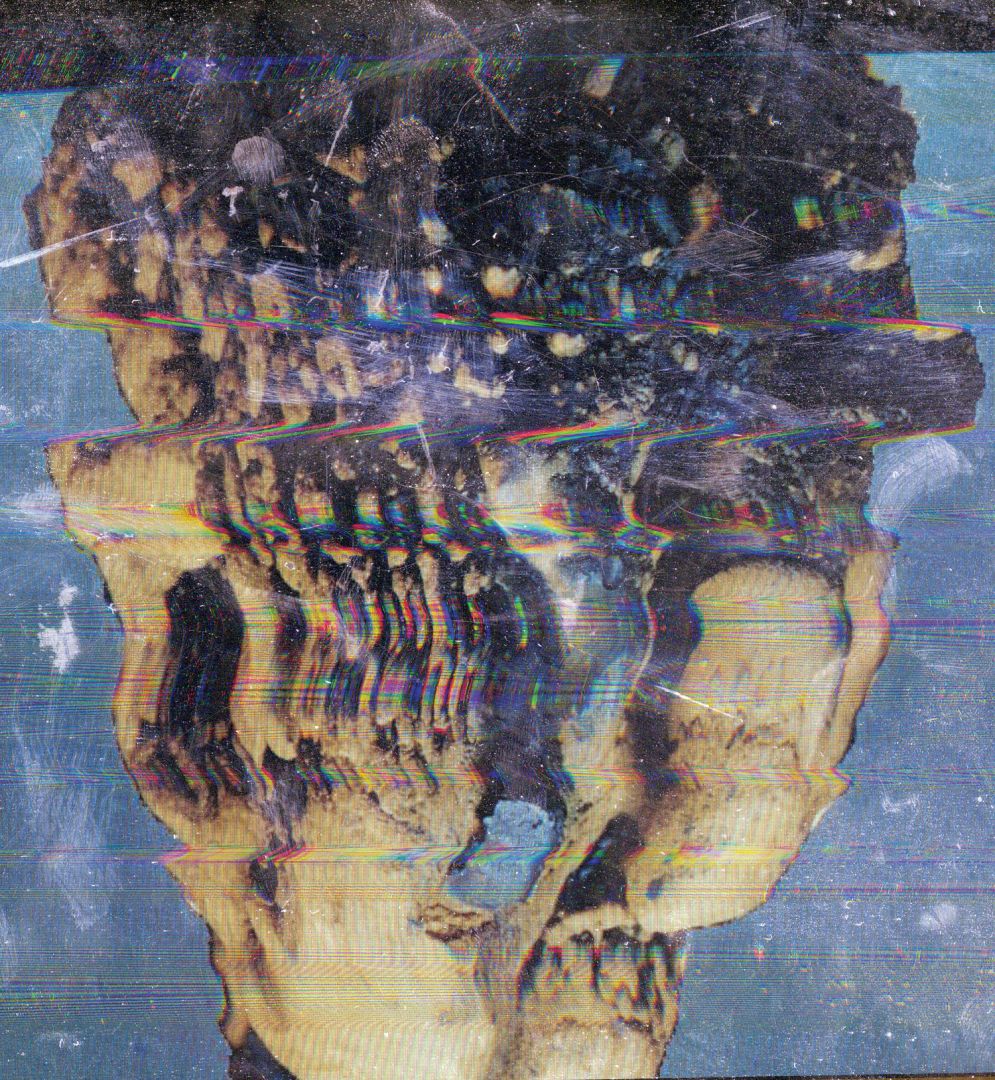
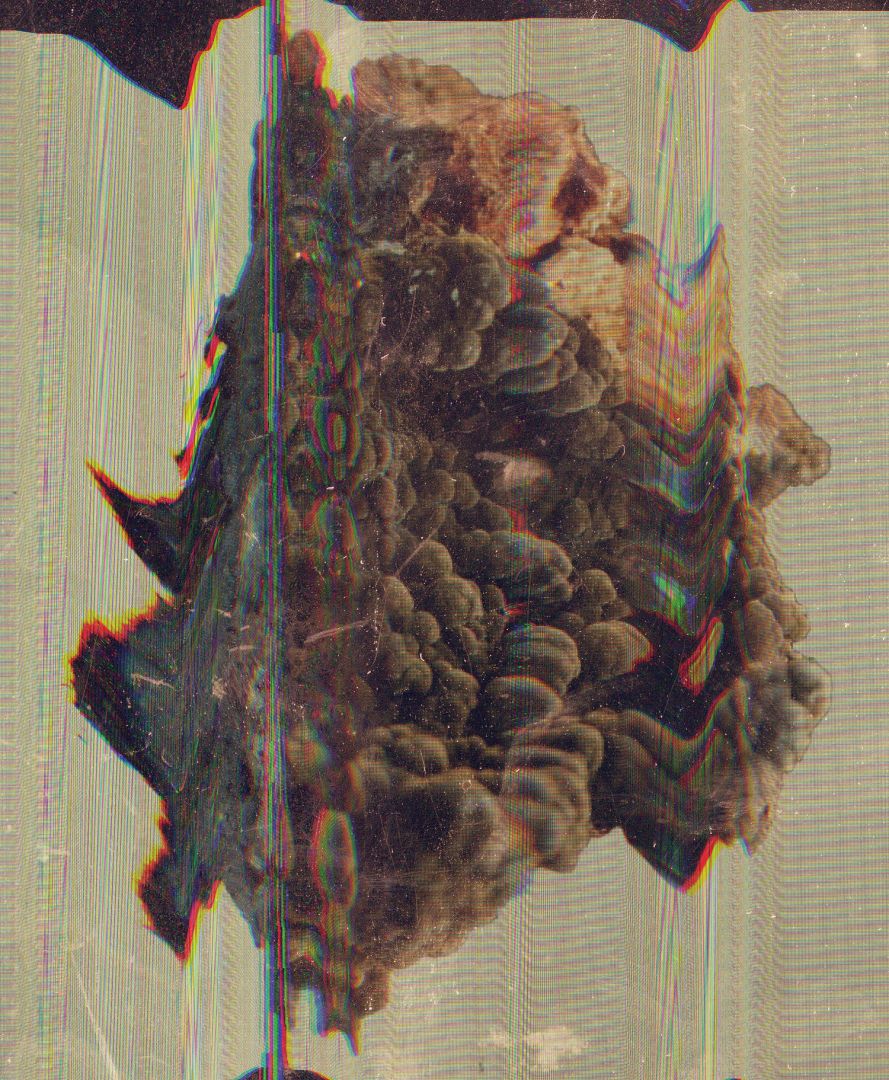
This is why I have appropriated Certej. Appropriation itself is a touchy subject (still) and some viewers are a bit bored by eco-terrorists (think feminazis, but with eco-values). This pushes activist art in a realm where it has to be less provocative and more subtle to succeed. This is why I have physically removed absence from the equation by literally appropriating the soil and the concept and giving it a new meaning. I do believe that in order to be able to understand an event, one must be there. An image of an elephant running towards you in your Facebook or Tumblr feed will not even stir you, but being chased by one probably will. Man-made disasters are at a comfortable distance from most internet users and most show empathy and concern just by sharing an image, but it is unlikely that it will trigger any meaningful actions towards change. Seeing the images of the Certej victims in my news feed triggered enough interest to further read into the matter, although I am certain that most people resumed to just reading the short caption below. Reading about it made me curious enough to want to go there and see the time capsule for myself (the old tailings pond and the ruptured area are perfectly visible in satellite images. I am fairly certain that most people who protest against the Rosia Montana exploitation site have never been to Certej. But once you set foot on the lunar soil surrounded by lush forest that has a pestilential smell even when the wind is blowing offers such a strong wake-up call combined with reverie that simply posting images of it online and screaming ‘#bancyanide’ are never going to be enough. As stated by Trevor Paglen and incorporated by Karen Archey in her essay ‘The Future of Loneliness’, ‘’We are at the point (actually, probably long past) where the majority of the world’s images are made by machines for machines’’. I felt I had to somehow transport people here for a few seconds, to transplant Certej into the exhibition space. But simply doing so would make me no different than states appropriating land for criminal purposes, a mere exploit. I felt I had to treat Certej as a bigger concept, to appropriate its pestilential smell and make art out of it, to make its sulphurous pools so beautiful it makes viewers repent. I do hope that doing a morally-ambiguous act of appropriation and declaring that #certejismine will make people counteract with #certejisours.
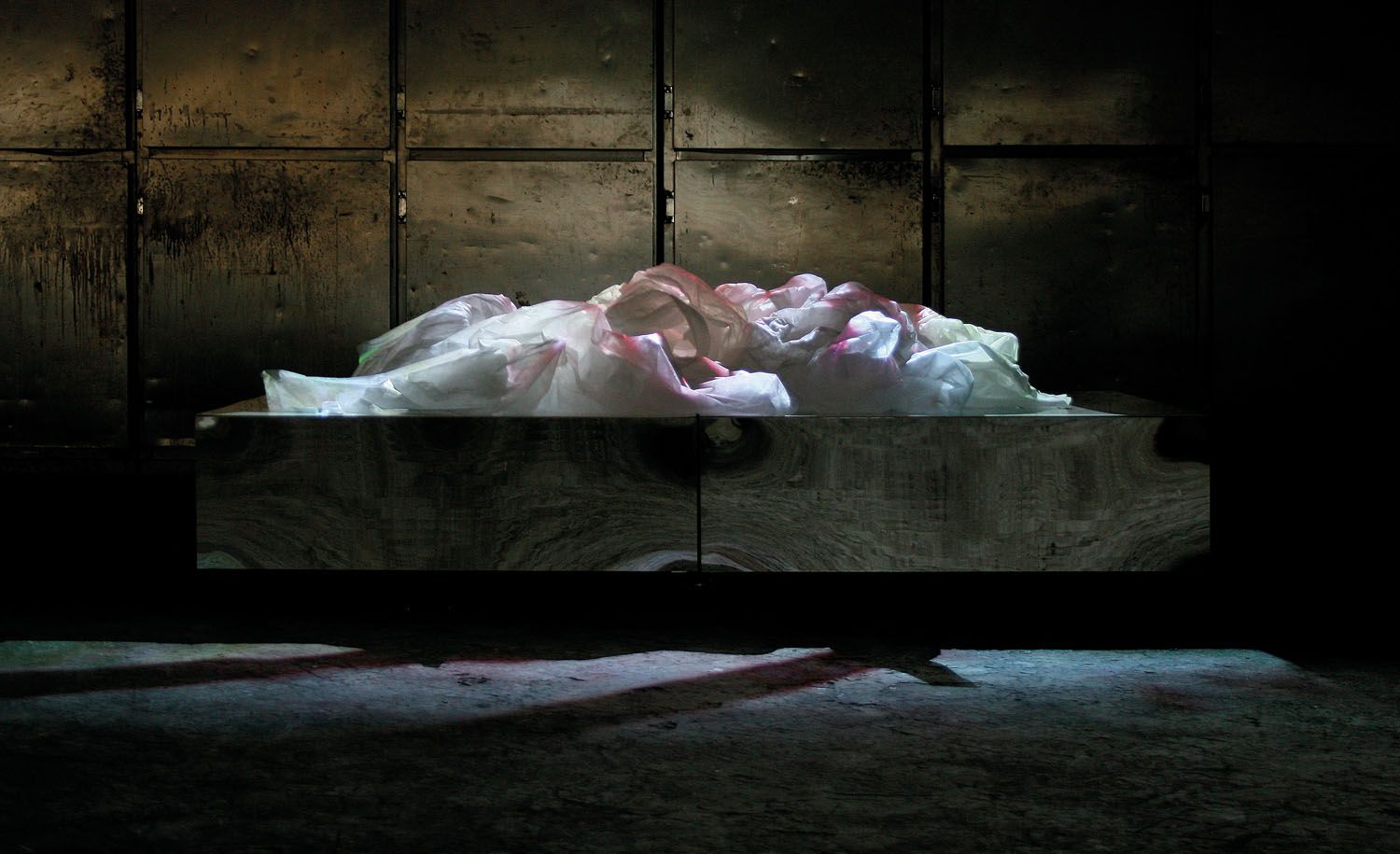
The first room takes a more visceral approach, dealing with fear and its time-warping effects (‘Float’ and ‘When the Red Fingers Point to the Moon’ installations) and also how perishable human lives and nature are when it comes to capital (‘Certej (is) Mine’ and ‘Your Love is Fading Faster and Faster’). This changes in the second room, where the focus shifts to the present and future, with solid hand-cast concrete blocks with glimpses of Certej’s soil now spread amid ghostly digitally filtered images of precious minerals. As the room itself used to be a place of work now in disuse, the witness account of one of the survivors (‘The Infant’) reverberates as a beacon of hope.
I envision ‘Certej’ as a platform for discussion. Since the ‘Occupy Wall Street’ movement has failed to change much in general, we should shift our focus towards a reality in which an eco-movement has its basis on technology and how people interact with it. In Romania, this discussion should ask why Romanians consider Rosia Montana as a sensible subject worth protesting only now, 20-so years after the mineriads. Does it have something to do with online platforms being more accessible than ever? Are we finally ready to face our fears and guilt? Will it actually change anything or will we simply be seen as numbers?”